Early Care Providers
Why Farm to Kids Matters in Early Care
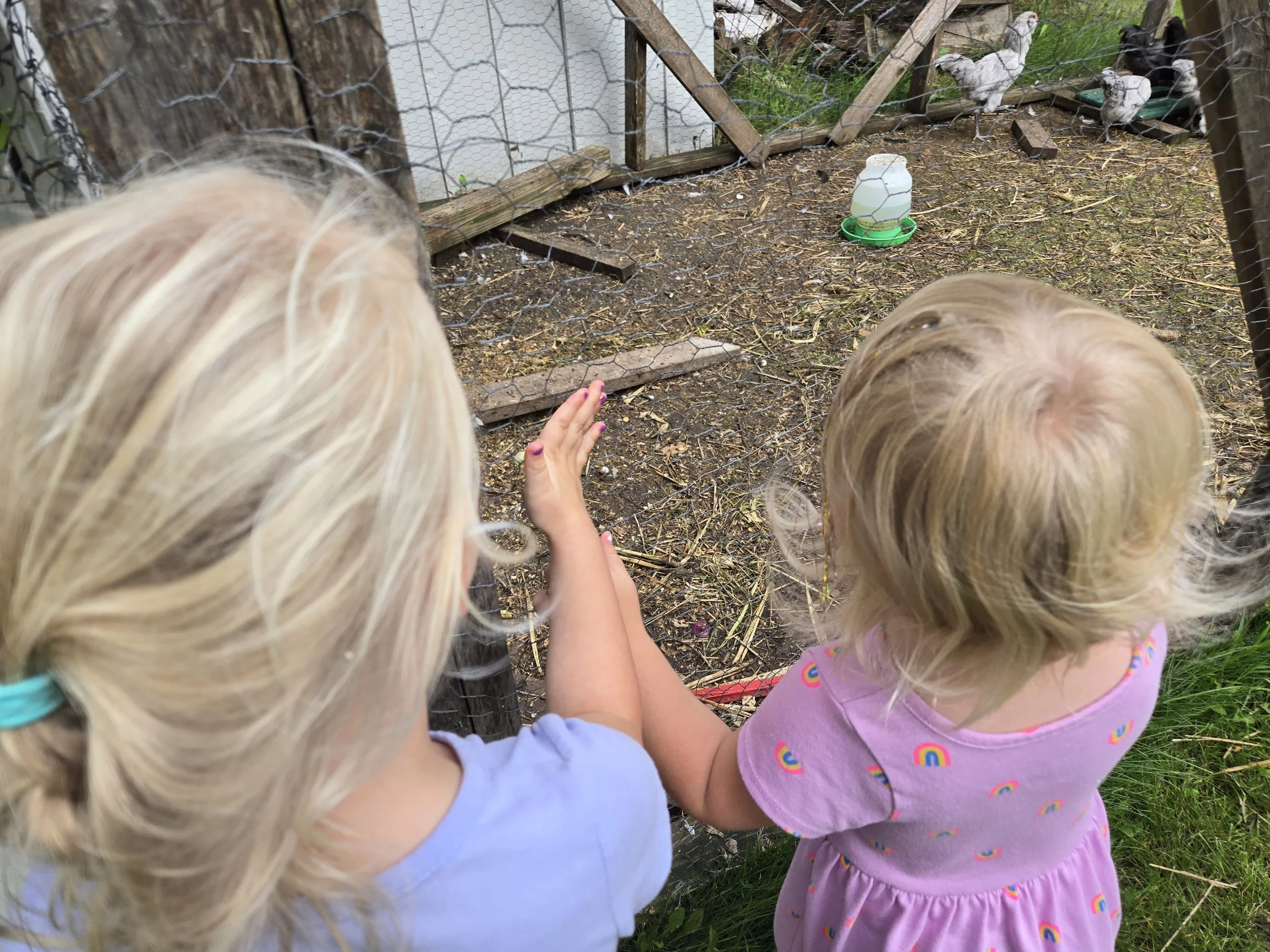
Farm to Kids helps young children build healthy eating habits by connecting them with fresh, local foods from an early age. Through fun, hands-on experiences, children learn where their food comes from and develop positive, lifelong connections to food. These early experiences help spark curiosity, encourage trying new foods, and create a strong foundation for healthy choices as they grow.
What Resources Can I Use?
The Minnesota Department of Agriculture offers grants to help local schools and childcare centers buy and serve fresh, Minnesota-grown food. Funding is available for both in-home daycare providers and childcare centers!
Easy to use Farm to Early Care activities.
Nutrition education and cooking curriculum designed to build food skills and confidence in children.
PoP Club is a farmers markets incentive program for children. It engages children ages 4 to 12 at farmers markets and empowers them to make healthful food choices.
Resources for early care providers to bring Minnesota Harvest of the Month into their programs, including activity plans and hands-on learning materials for locally grown foods.
The Minnesota Statewide Health Improvement Partnership (SHIP) supports community-driven solutions to expand opportunities for healthy eating, active living and commercial tobacco-free living.
Want to Learn More About Farm to Early Care?
Overview of Farm to School and Early Care programs, benefits, and how schools and early care sites can get started.
January 2024 report on Farm to Early Care efforts within the Child and Adult Care Food Program (CACFP).